What is non-alignment? How is it different from multi-alignment or strategic diversification? Is it just an outdated form of Cold War foreign policy? Scholars of international relations, political thought, and Indias international and diplomatic history ar
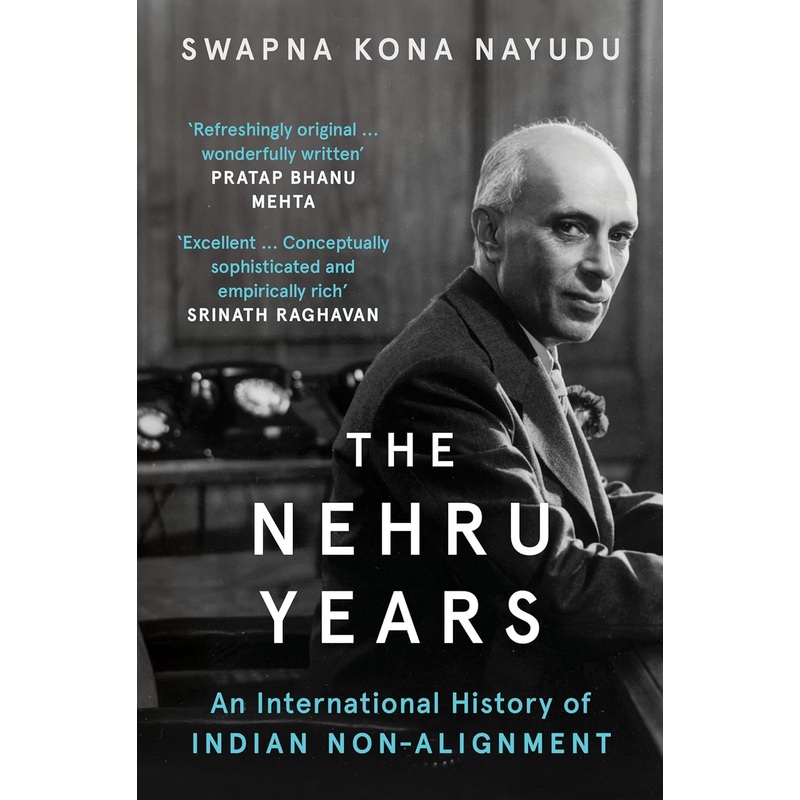
What is non-alignment? How is it different from multi-alignment or strategic diversification? Is it just an outdated form of Cold War foreign policy? Scholars of international relations, political thought, and Indias international and diplomatic history are increasingly interested in the relevance of non-alignment to Indian foreign policy. The origins of such policies and debates can be traced back to Jawaharlal Nehrus conceptualization of non-alignment at the height of the Cold War.
In this deeply researched study of his years as prime minister (19471964), Swapna Kona Nayudu utilizes archival research in multiple languages to uncover Indian diplomatic influence in four major international events: the Korean War, the Suez Crisis, the Hungarian Revolution, and the Congo Crisis. Through this detailed examination, she explores the contested meaning of nonalignment, a policy almost unique in its ambiguity and its centrality to a nations political life.
The resulting international history takes on one of the most controversial concepts in the history of modern India and gives us a study of Indias diplomatic position as the only non-aligned founding member of the United Nations.






Reviews
There are no reviews yet.